Precision farming and soil variability
Precision farming is an already established practice that has been used for various applications such as autosteering, fertilization, precision planting, irrigation, and spot spraying. All these applications aim to ease workloads and support farmers with the goal to increase the returns by using resources more efficiently and complying with local legislation.
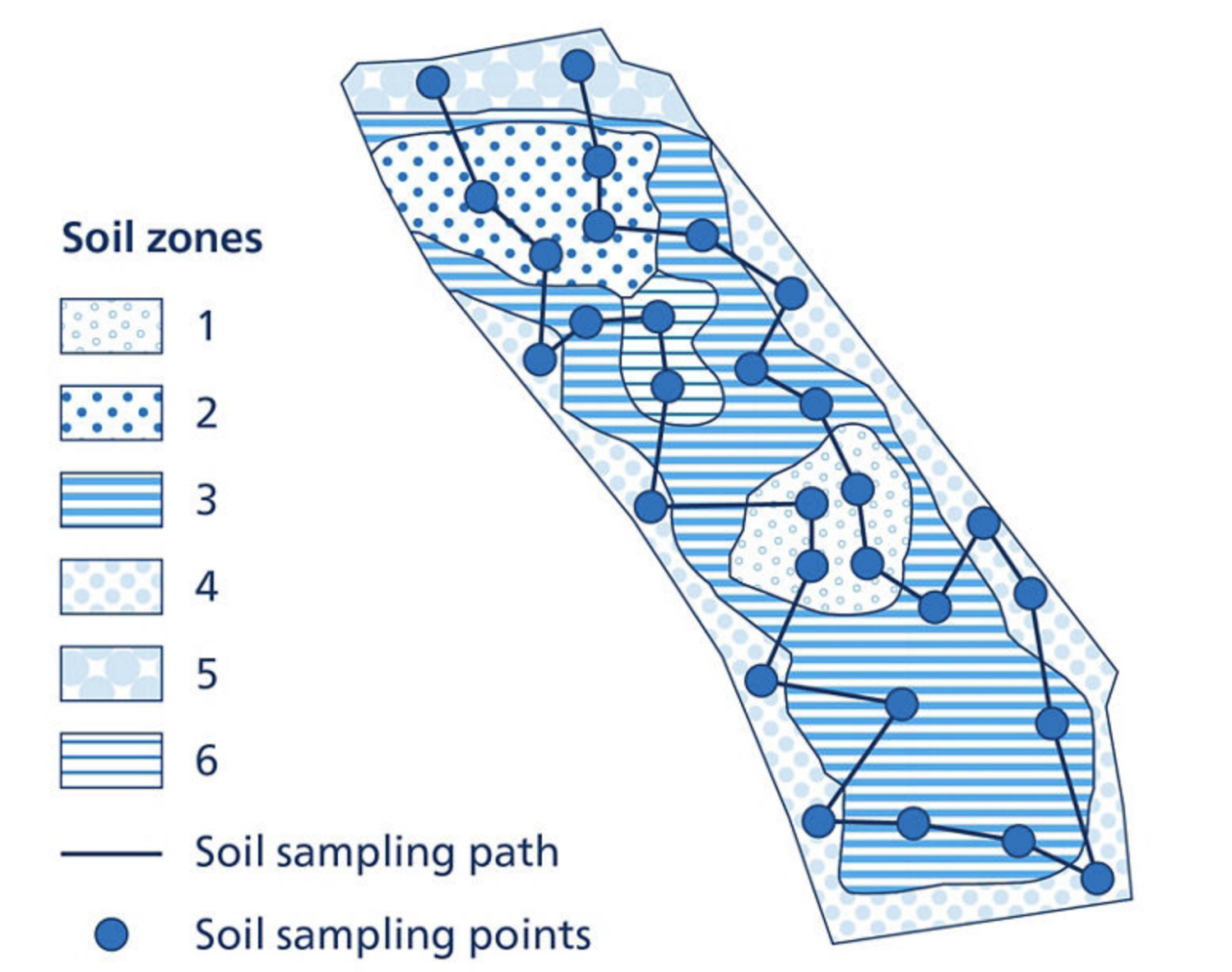
Multiple sources of information — yield monitoring, remote sensing, weather stations, soil sensors, and soil analysis—are used to track in-field variability. These monitoring tools provide detailed insights of the field conditions, enabling timely adjustments and optimizing management of the crop throughout the season.
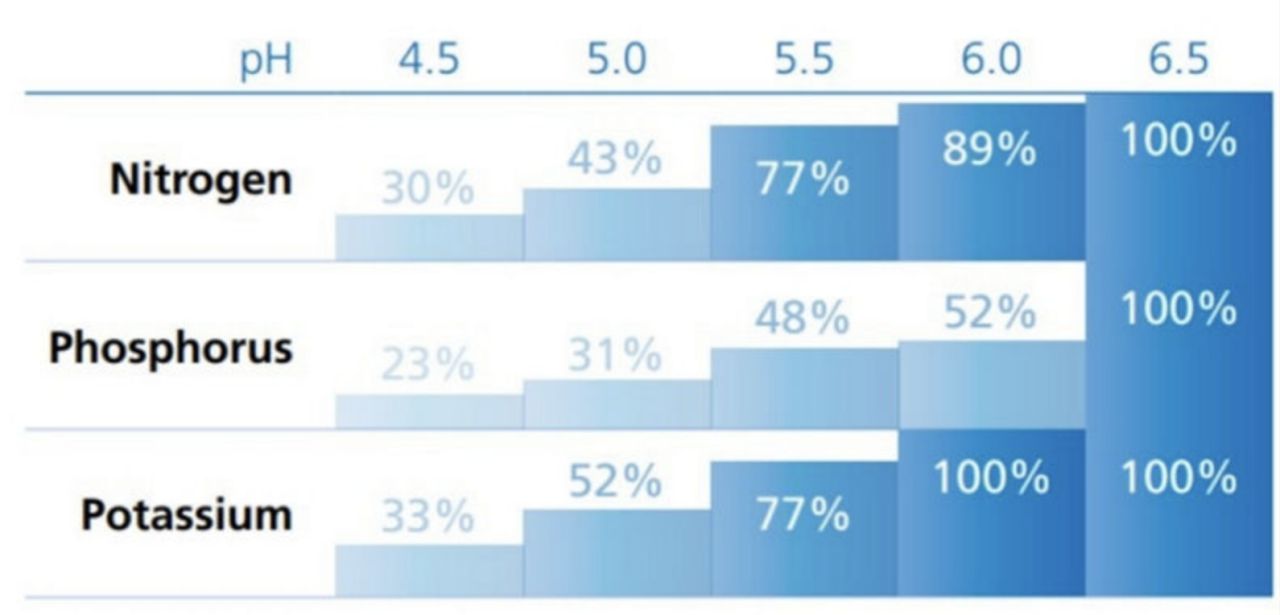
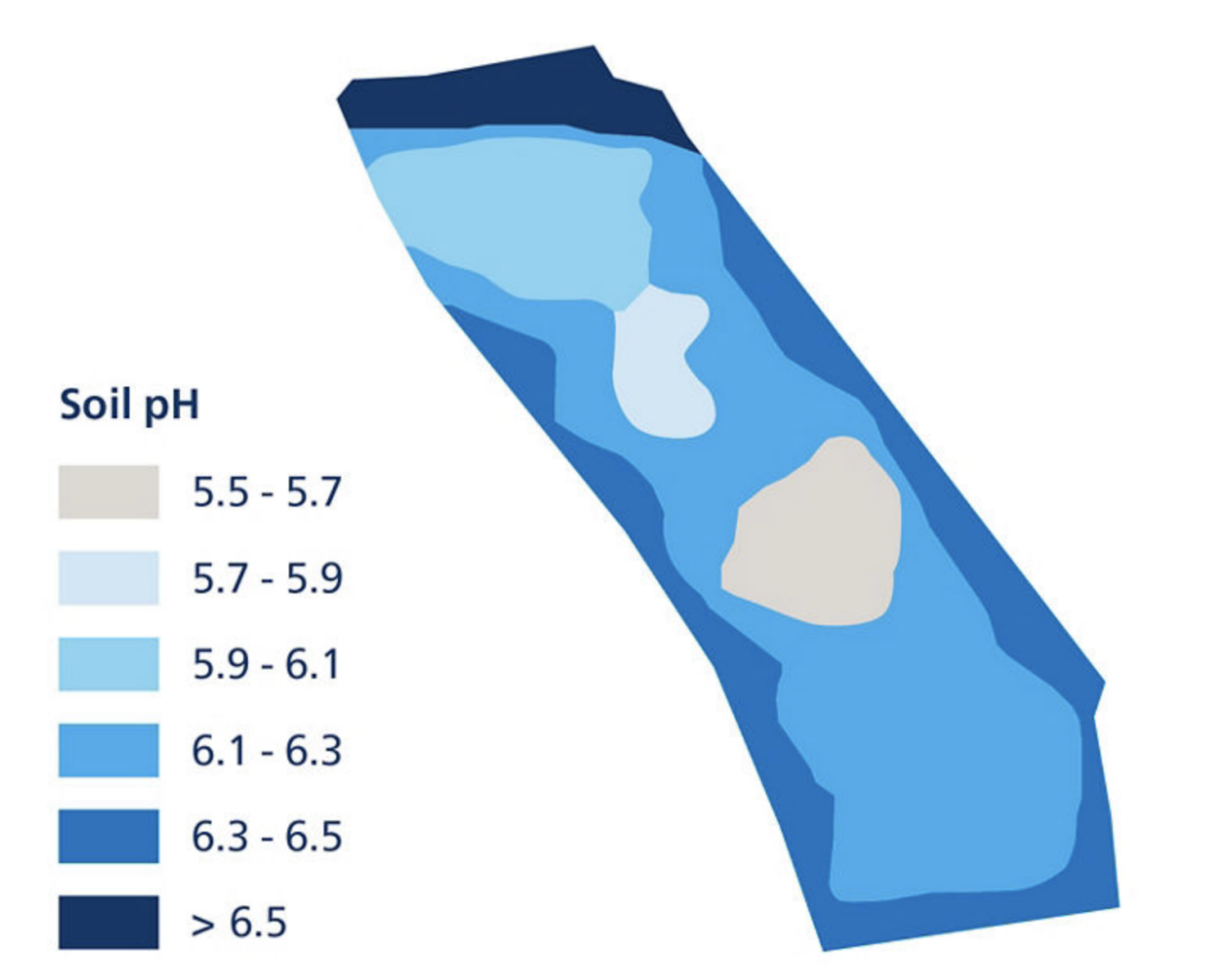
One of the main causes of in-field variation is differences in the physical, chemical, and biological properties of the soil. Variations in soil texture, which affect water and nutrient holding capacity, stem primarily from the physical properties of the soil. Chemical and biological properties such as nutrient status, soil pH, and organic matter play an important role in shaping soil structure and determining nutrient availability.
Why managing soil parameters matters
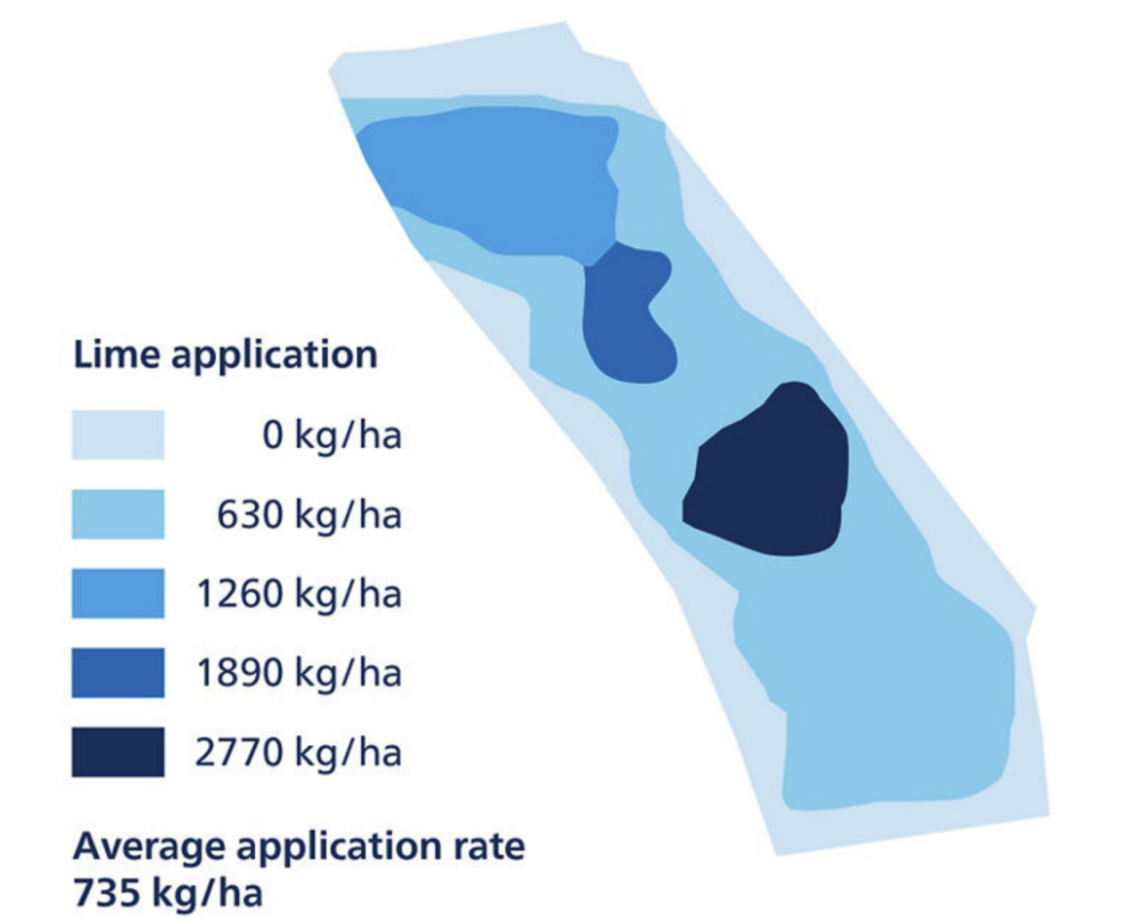
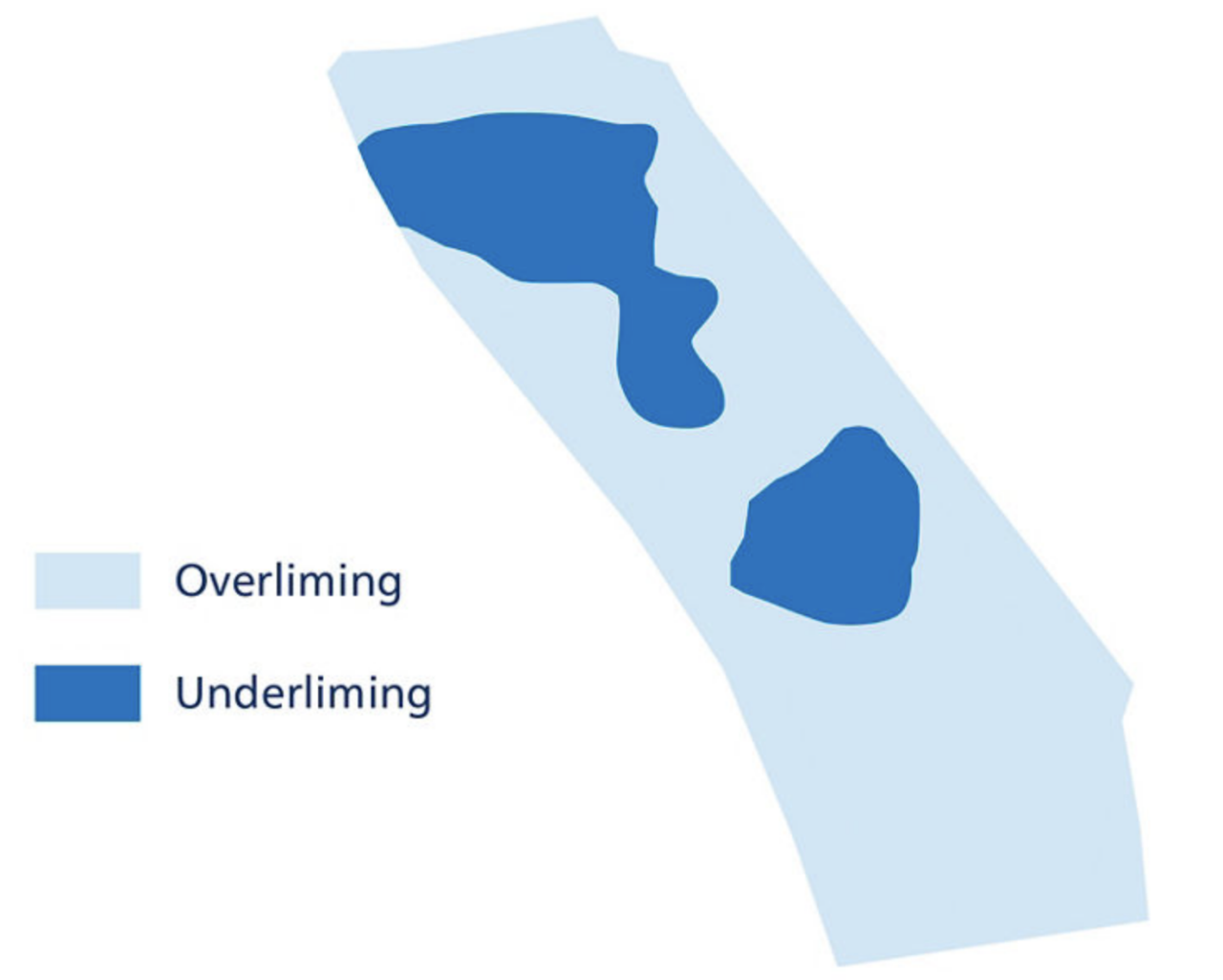
Managing chemical soil parameters effectively is key in precision farming. Despite the availability of Variable Rate Application (VRA) technology which is today widely used for nutrient input planning (e.g., for nitrogen), precision liming is still at an early stage and a great opportunity.
One reason for its low adoption is attributed to the type of lime (Aglime) and how lime is typically applied today. Aglime is mainly applied using specialized liming spreaders, usually owned by subcontractors, farmer associations, or lime suppliers. This creates a barrier for VRA because technology comes at a cost.
Compared to Aglime, granulated lime such as Omya Calciprill provides an ideal opportunity for precision lime applications as it can be applied with ordinary fertilizer spreaders used for VRA fertilizer applications and owned by farmers.