In the field of animal nutrition, the balance of essential minerals is critical for maintaining health and optimizing productivity. Among these minerals, calcium and magnesium are particularly important due to their significant impact on various physiological functions.
OmyaFeed C MgO, developed by Omya, offers an advanced solution to address mineral nutrition and manage ruminal acidosis in dairy cows and other ruminants. Extensive research has demonstrated its effectiveness in enhancing animal health and productivity.
Omya is globally recognized for its expertise in producing high-quality calcium carbonate and its extensive experience in calcium nutrition for both crops and animal species. With 160 plants worldwide, Omya leverages a diverse range of raw materials available in Europe, ideal for creating efficient calcium carbonate products for animal feed. This extensive network ensures consistent delivery of high-quality products, tailored to meet the nutritional needs of livestock.
OmyaFeed C MgO – combining mineral nutrition and buffering rumen pH
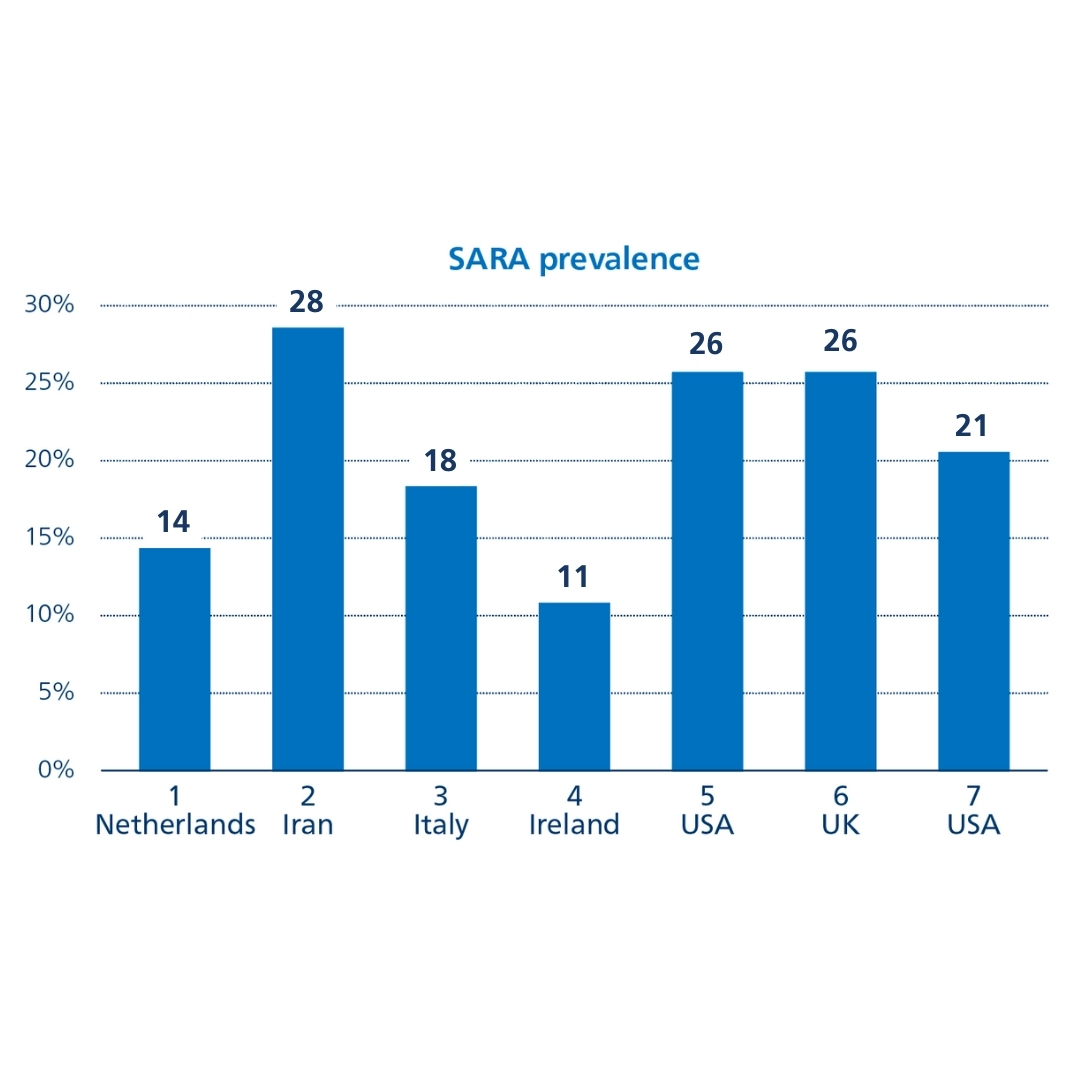
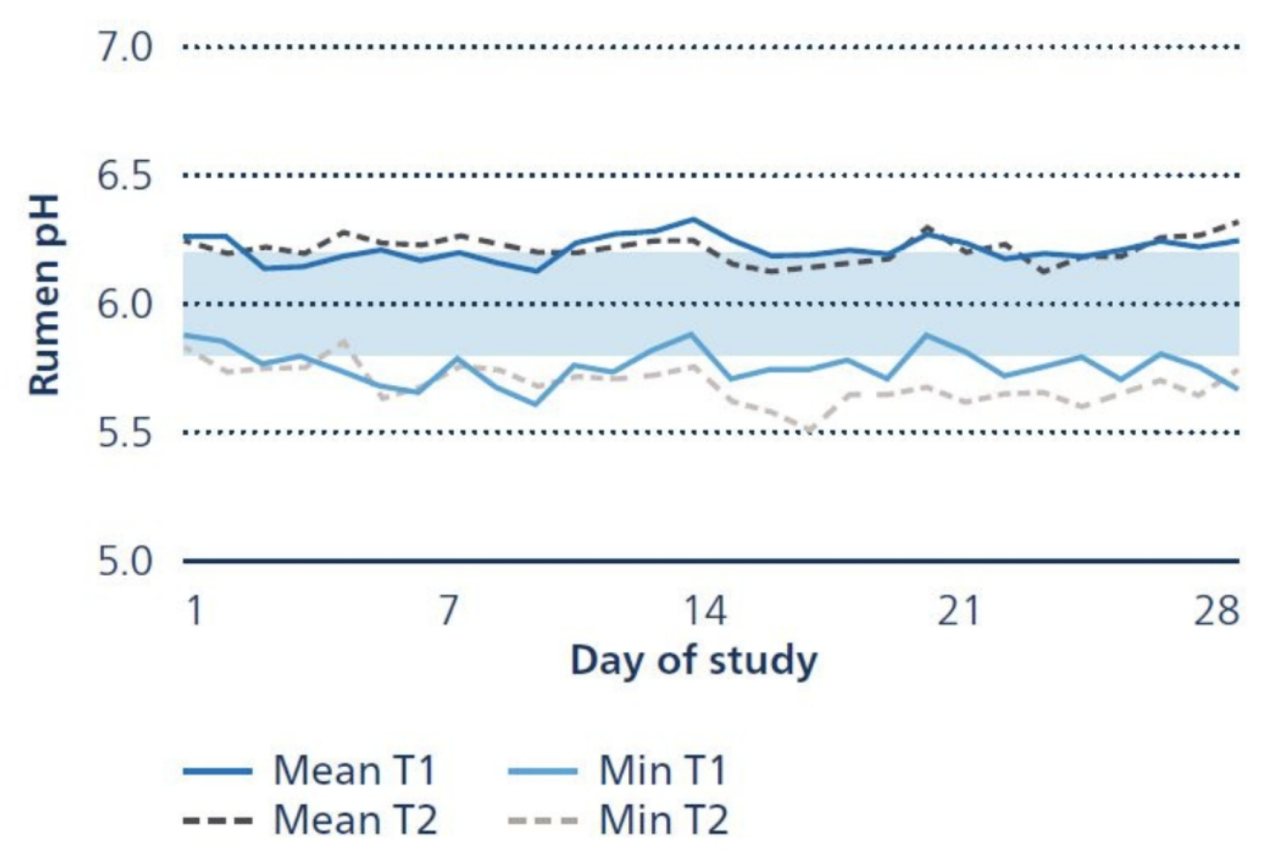
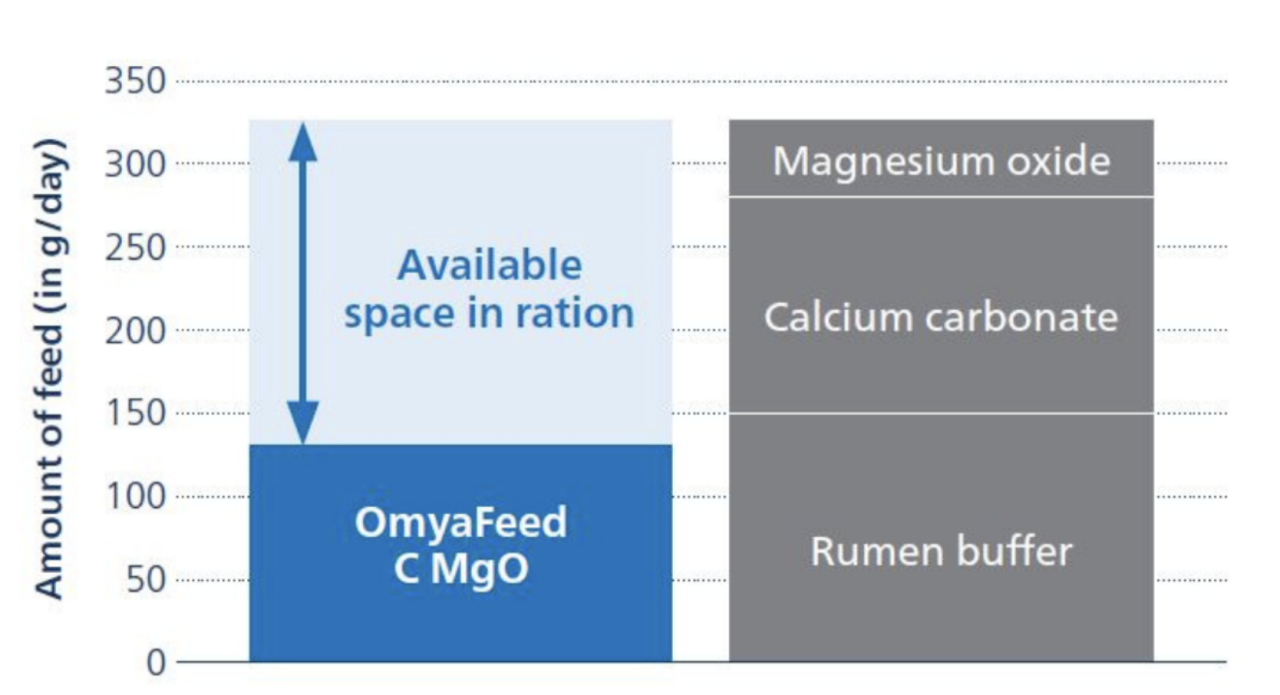
In the novel advanced formulation feed supplement, OmyaFeed C MgO, Omya combines highly reactive calcium carbonate and magnesium oxide to supply animals with essential calcium and magnesium nutrition while also providing an effective rumen buffer. Rigorous testing of various mineral raw materials has been performed to select the most suitable sources with high-purity and optimal reactivity. In OmyaFeed C MgO these raw materials are finely micronized, creating a large surface area that improves solubility and enables rapid absorption of calcium and magnesium for intensively farmed dairy cows and other ruminants. Additionally, the formulation offers farmers an effective preventative or curative solution for Sub-acute Ruminal Acidosis (SARA).
Calcium carbonate is the primary source of calcium, a vital mineral for the development and maintenance of strong bones and teeth in dairy cows. Adequate calcium levels are crucial for various physiological functions, including muscle contraction, blood clotting, and nerve transmission. In lactating cows, calcium is particularly important as it is a major component of milk. A balanced and sufficient supply of calcium is essential, especially during the transition phase from the dry period to the start of milk production. This goes beyond covering merely the basic nutritional requirements. To prevent so-called parturient paresis or hypocalcaemia, high-quality calcium sources with a high availability are necessary instead of increased calcium doses to counteract the disturbed calcium regulation. Particularly in the dry period, an appropriate foundation can be laid for a smooth transition to milk production. OmyaFeed C MgO can ease the transition in this critical phase thanks to its balance of high-quality calcium and magnesium sources.
Magnesium oxide is a rich source of magnesium, an essential mineral involved in over 300 enzymatic reactions within the cow. Magnesium is critical for energy metabolism, protein synthesis, and the proper functioning of the nervous system. It helps prevent grass tetany, a potentially fatal condition caused by low magnesium levels in the blood. In dairy cows, magnesium oxide and other buffering substances such as sodium bicarbonate play a key role in stabilizing rumen pH and enhancing fibre digestion, which is vital for efficient nutrient absorption and overall digestive health.