Effect of soil pH on corn growth
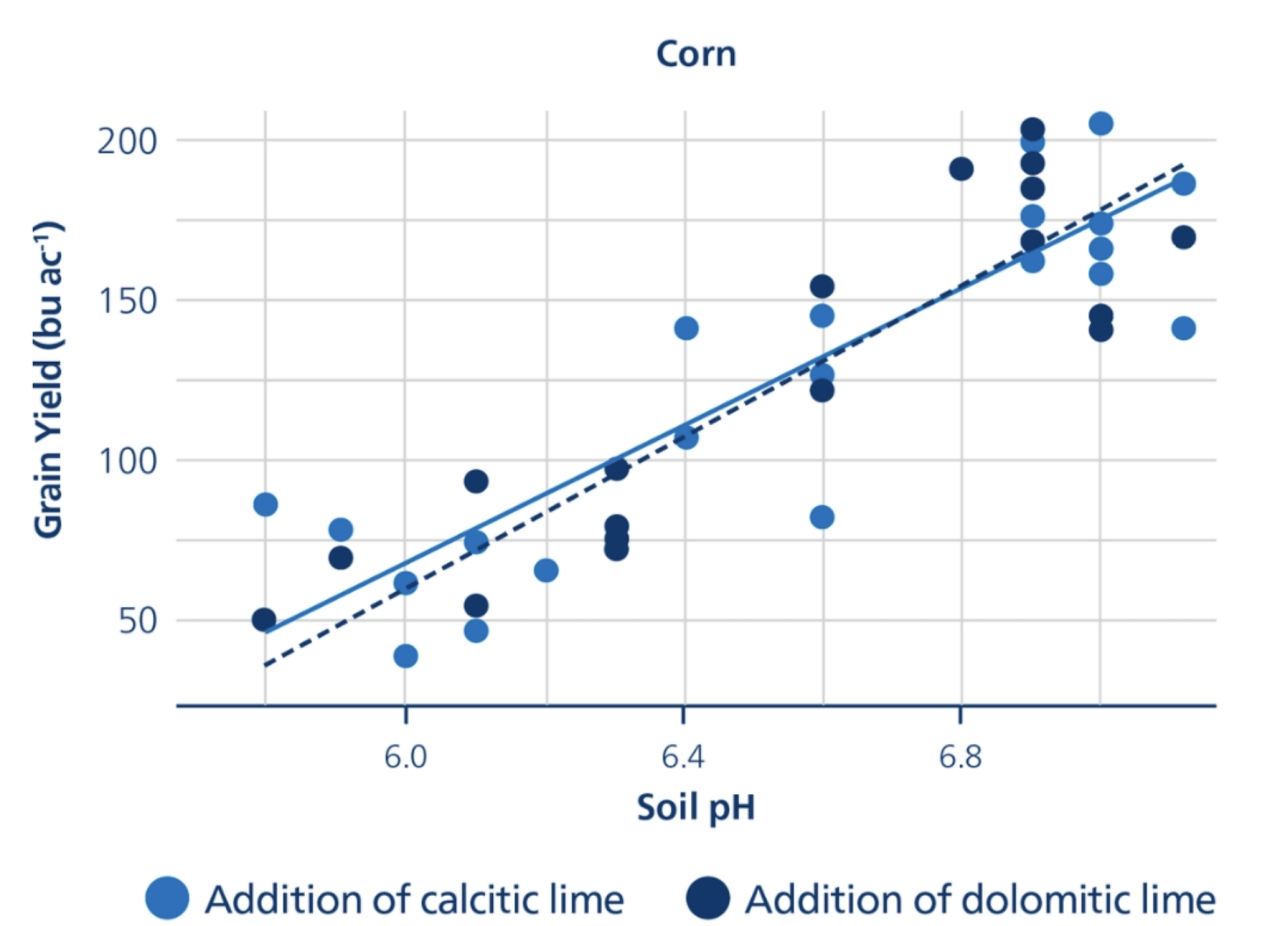
Soil pH influences:
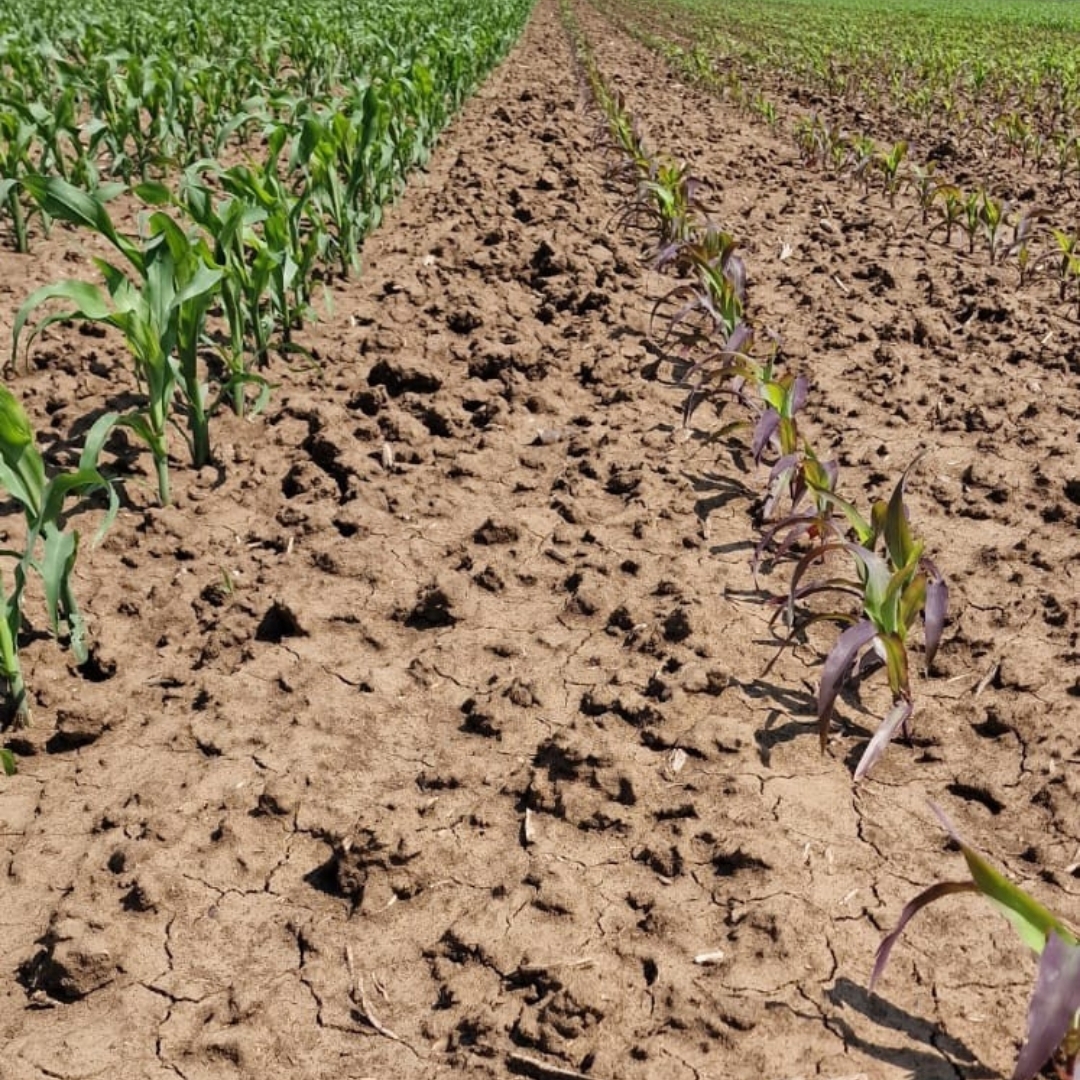
Symptoms of imbalance include stunted growth, poor roots, and leaf discoloration. Correcting pH through liming is often the first step toward restoring fertility. For corn, this is especially important before planting.
Secondary macronutrients: calcium, magnesium and sulfur
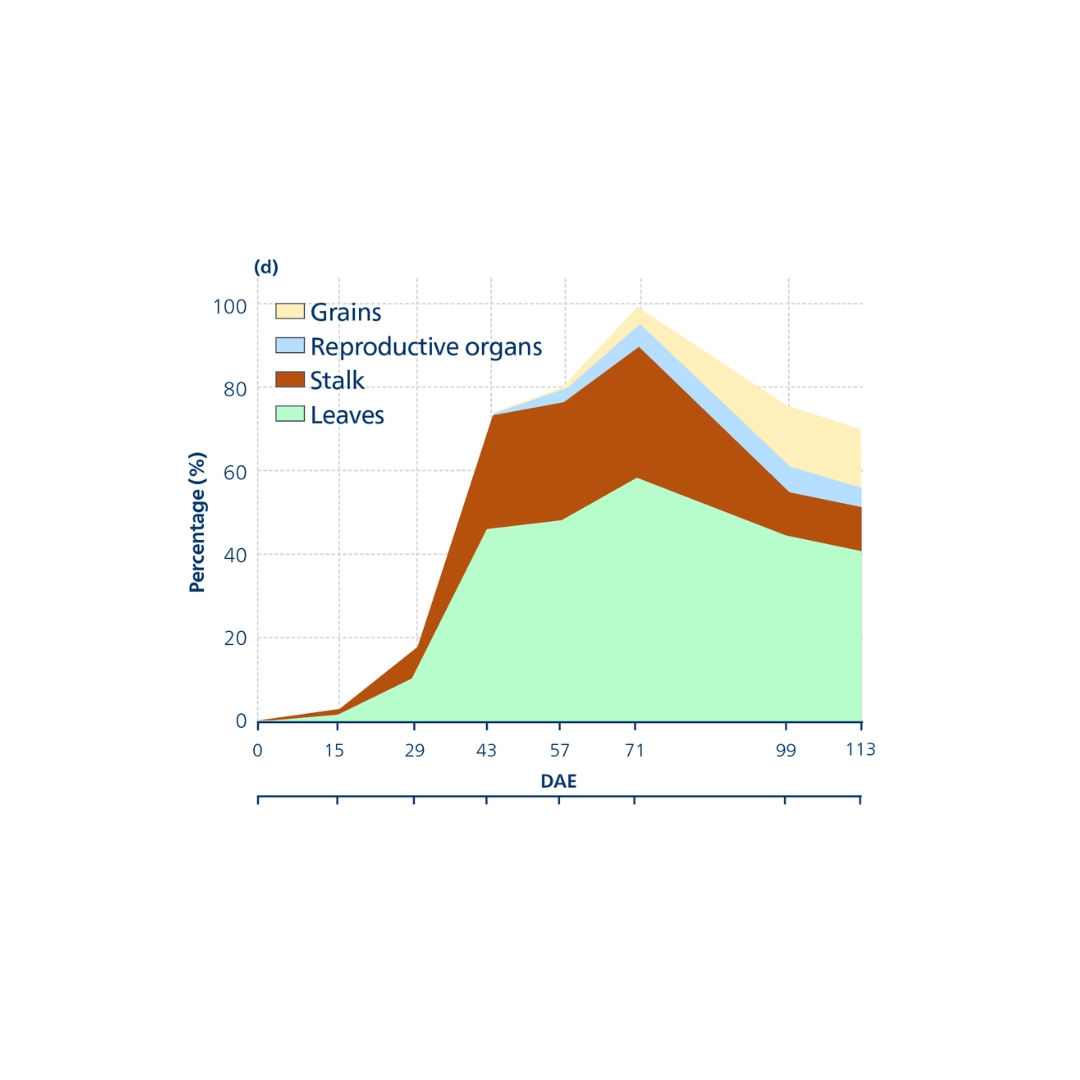
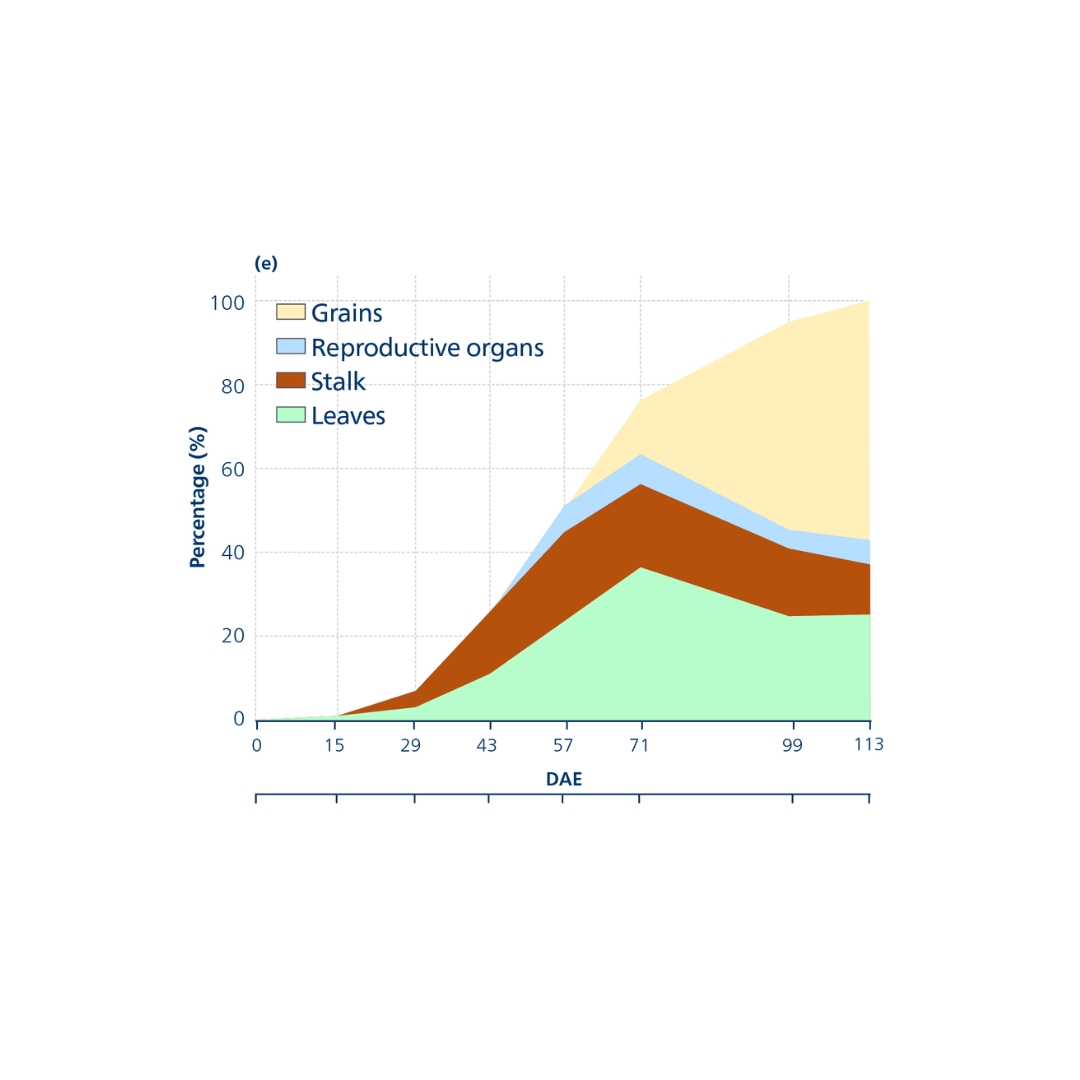
While macronutrients dominate fertilization programs, secondary nutrients are equally vital for corn health, and corn’s growth habit makes some of these particularly critical. Calcium is essential for cell wall structure, root elongation, and nutrient transport. Corn’s tall stature and heavy biomass increase results in a high demand for calcium improving stalk strength and lodging resistance. Furthermore, adequate Ca supply supports rind strength and helps plants withstand wind and grain weight. To manage calcium levels, liming acidic soils with Omya Calciprill corrects pH while supplying nutritional Ca, whereas Omya Sulfoprill provides calcium, whilst also delivers essential sulfur (S) nutrition to the crop, without altering soil pH when acidity is not an issue.
Magnesium, the central atom in chlorophyll, is vital for photosynthesis and enzyme activity. As a C4 crop with high photosynthetic capacity and rapid biomass accumulation, corn is highly sensitive to magnesium shortfalls, especially during the rapid growth stages. Even mild Mg deficiency can quickly suppress photosynthesis. Where acidity exists, Omya Magprill addresses both pH and magnesium needs, and timely placement is key to ensuring availability during critical growth phases.