The industry shift toward digestible calcium systems
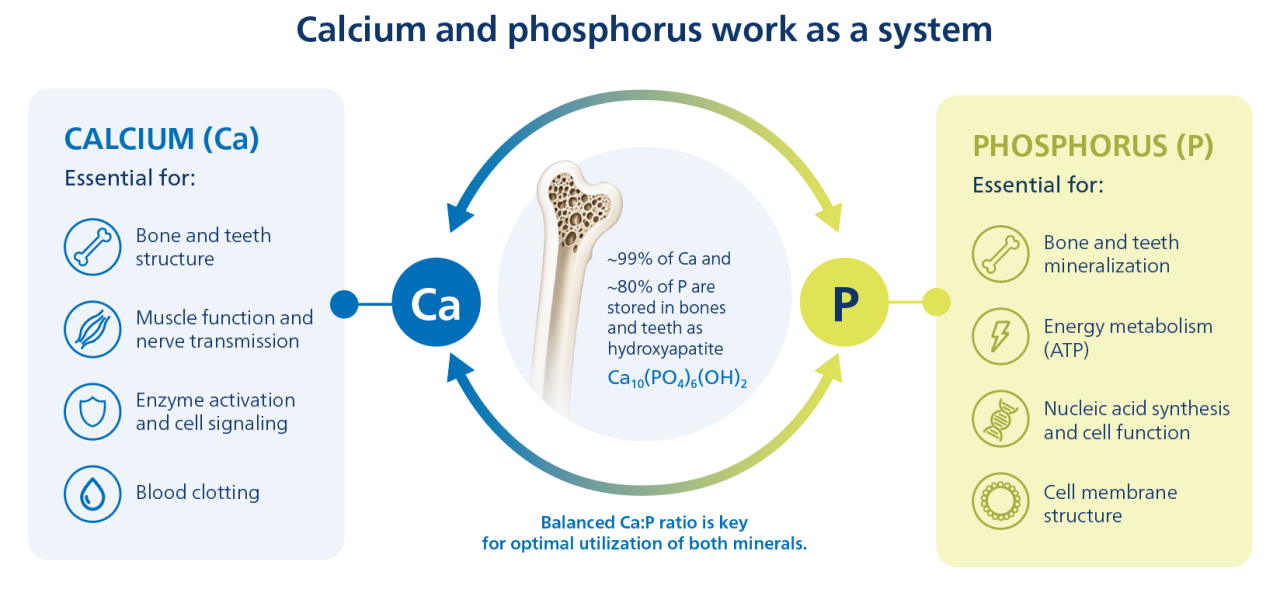
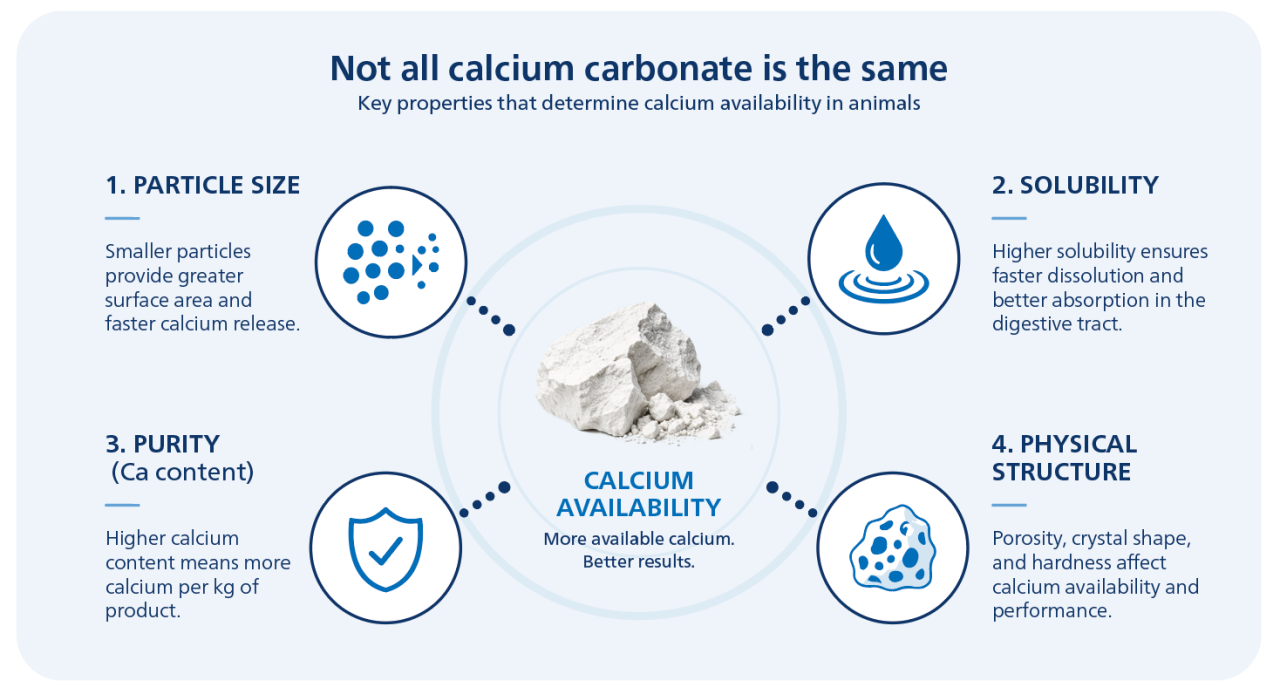
Traditionally, feed formulations have relied on total calcium values. However, the increasing adoption of digestible phosphorus systems has exposed limitations in this approach. Total calcium does not necessarily reflect the biologically available fraction that animals can actually absorb and utilize.
While digestible phosphorus systems are already widely adopted in animal nutrition, calcium is still commonly formulated on a total basis. However, increasing research and industry focus on digestible calcium concepts highlight the need for more precise evaluation of true calcium availability. This approach enables more accurate formulation by considering the actual availability of calcium from different raw materials.
The benefits are significant:
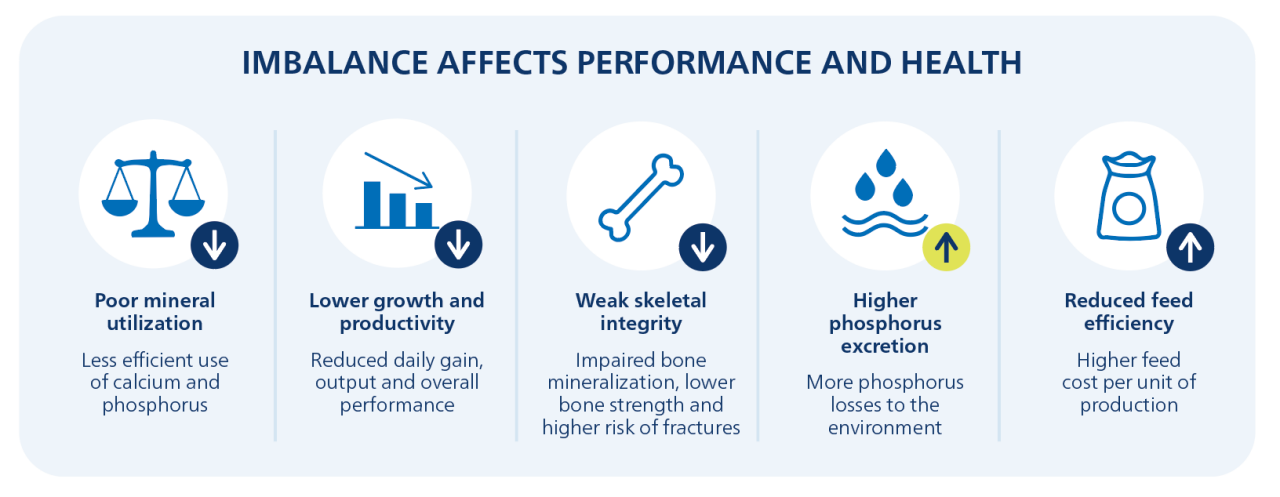
- Improved mineral utilization
- Better feed efficiency and animal performance
- Reduced risk of Ca–P imbalance
- Lower inorganic phosphate inclusion
- Reduced phosphorus excretion and environmental impact
More precise mineral nutrition supports not only animal productivity, but also economic and sustainability goals for producers.
Sustainability starts with better mineral efficiency
Phosphorus is an essential nutrient, but it is also a limited natural resource. At the same time, excess phosphorus excretion from livestock production is a major environmental concern because it contributes to water pollution and eutrophication.
Improving phosphorus utilization is therefore one of the key sustainability priorities in animal nutrition. Precision calcium management is an important part of the solution. When calcium supply is optimized, animals can utilize phosphorus more efficiently, reducing the amount of unused phosphorus excreted into the environment.
Research has shown that improved Ca–P management strategies can significantly reduce phosphorus excretion without negatively affecting growth performance. This supports more sustainable livestock production while also helping producers improve feed cost efficiency.