Soil pH & herbicide performance

Could soil pH be limiting your weed control? Learn how pH influences herbicide performance, crop safety and yield.

Share

Effective weed control starts with soil management

Weeds remain one of the greatest threats to crop production worldwide. Global estimates suggest weeds can reduce potential crop yields by as much as 34%, resulting in billions of dollars in lost production each year. In India alone, weed pressure is estimated to cost growers more than USD 11 billion annually, while losses in the United States exceed USD 33 billion per year (1).

To manage weeds, growers rely on a combination of cultural practices, mechanical control, and herbicides. When applying herbicides, most producers carefully consider product selection, rate, timing, weather conditions, and spray equipment. However, one critical factor is often overlooked: soil pH.

For many residual herbicides, soil pH not only affects weed control performance, but also influences the risk of crop injury and herbicide carryover to the next crop in rotation.

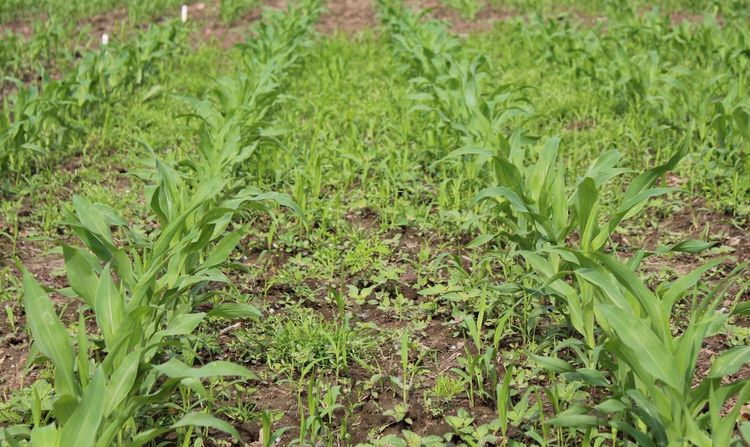
Figure 1. Uncontrolled weeds in a corn field. Photo by Michigan State University. Figure 1. Uncontrolled weeds in a corn field. Photo by Michigan State University.

Why Soil pH Matters

Residual herbicides create a protective barrier in the soil that controls weeds as they germinate. Because these products remain in the soil for extended periods, soil chemistry plays a major role in determining how long they remain active. If herbicides persist longer than expected, they may injure sensitive rotational crops. If they break down too quickly, weed control may be reduced. Understanding soil pH is therefore essential for maximizing herbicide performance while protecting future crops.

Three herbicide families are particularly influenced by soil pH:

  • Triazines (ex: as atrazine and simazine)
  • Sulfonylureas (ex: nicosulfuron, halosulfuron, chlorimuron)
  • Imidazolinones (ex: imazethapyr and imazamox)

While all three are affected by pH, the relationship is not the same for each group. 

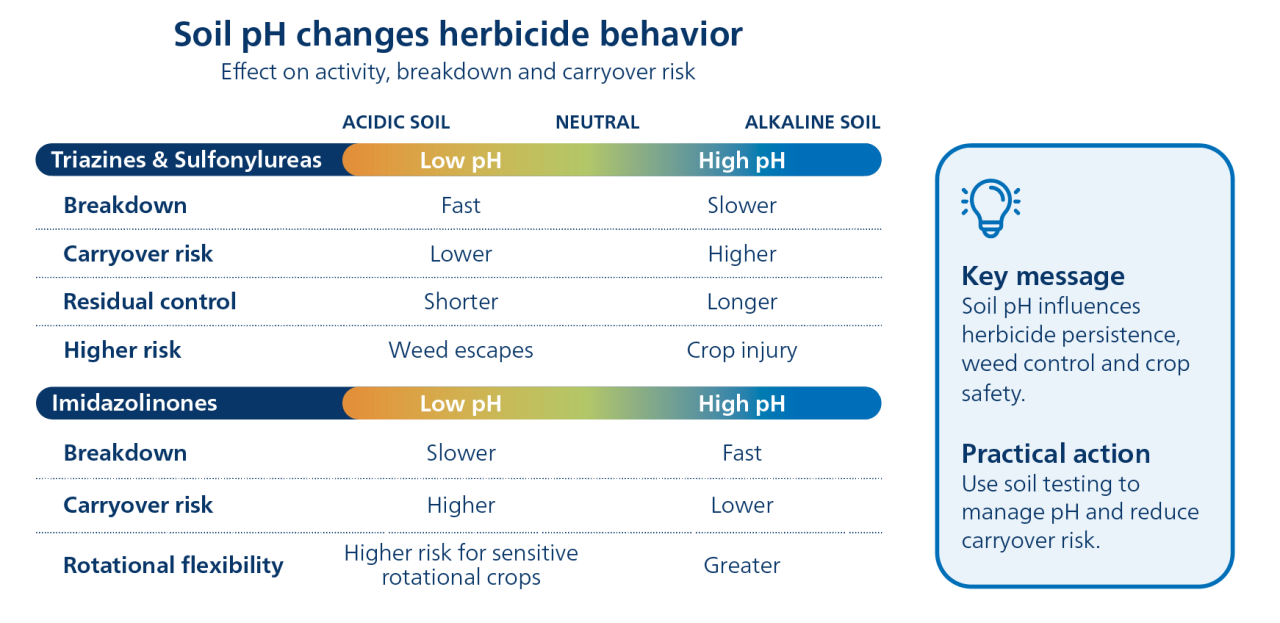
Figure 2. Effect of soil pH on herbicide behavior Figure 2. Effect of soil pH on herbicide behavior.
Triazines and sulfonylureas: understanding the pH relationship

Atrazine, simazine, metribuzin and many sulfonylurea herbicides are among the most widely used residual herbicides globally. Their degradation is largely driven by acid hydrolysis, a process influenced by the concentration of hydrogen ions (H+) in the soil.

In acidic soils, higher concentrations of hydrogen ions accelerate herbicide breakdown, leaving less active ingredient available for uptake by germinating weeds. As a result, residual weed control may be shortened, increasing the likelihood of weed escapes and crop competition. Faster degradation can also reduce the risk of herbicide carryover into subsequent crops. 

The opposite occurs in alkaline soils. Herbicide degradation slows, allowing products to remain active for longer. While this can extend residual weed control, it can also increase the risk of crop injury and carryover to sensitive rotational crops such as soybean, potato, canola and alfalfa.

Metribuzin illustrates this effect well. Elevated soil pH can increase herbicide availability and plant uptake by soybean and potato crops, potentially resulting in crop injury when the plant can no longer metabolize the herbicide efficiently.

Imidazolinones respond differently

Unlike triazines and sulfonylureas, imidazolinone herbicides depend largely on microbial activity for degradation. In low-pH soils, microbial activity may be reduced, allowing these herbicides to persist longer and increasing the risk of carryover to sensitive rotational crops (see Figure 3). One example is imazamox, widely used in Clearfield sunflower production systems. While highly effective, growers must ensure that soil pH remains within the optimal range to promote herbicide breakdown and prevent harmful carryover to subsequent crops.

Research has shown that herbicide residues from this class can affect crop performance years after application when soil pH remains low. In fact, for each 0.2 to 0.4 unit decrease in soil pH, the amount of imidazolinone herbicide adsorbed by the soil can double, increasing persistence and carryover risk (2).

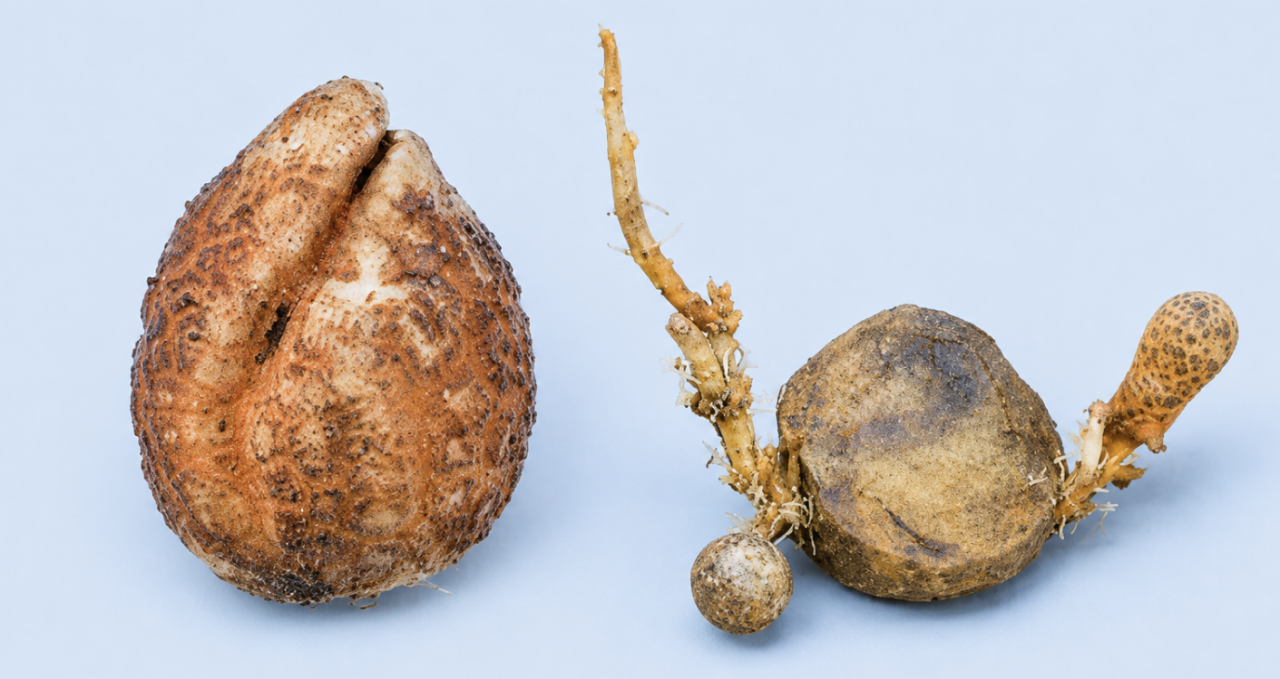
Figure 3. Symptoms of imidazolinone carryover herbicide injury in potato can become more pronounced when soil pH is too low. Figure 3. Symptoms of imidazolinone carryover herbicide injury in potato can become more pronounced when soil pH is too low .

When soil pH impacts yield

The impact of herbicide carryover can be substantial. In one study, an imidazolinone herbicide was applied to soybeans on a field with a soil pH of 5.8. Two years later, sugar beet yields were reduced by approximately 64% compared to untreated areas. When the soil was limed to pH 6.6, yield losses were reduced to approximately 9%. These findings highlight the importance of maintaining adequate soil pH to reduce herbicide carryover risk and help protect the productivity of future crops (3).

Making soil pH part of your weed management strategy

Although herbicide families respond differently to soil pH, maintaining soil pH between 6.5 and 7.5 generally provides the best balance for herbicide performance, crop safety and rotational flexibility. When soil pH falls outside this range, weed control effectiveness, crop safety and rotational crop performance may all be affected. 

Regular soil testing and timely pH correction can help reduce herbicide carryover risks, improve crop safety and support long-term productivity. By maintaining soil pH within the optimal range, growers can create better conditions for both current-season crop performance and future crop success. 

To support efficient pH management, Omya offers solutions such as Omya Calciprill, Omya Magprill, OmyaPro Soil and Top Flow Ca, which are designed to help improve soil conditions more quickly than traditional agricultural lime. For example, if spring soil tests indicate that soil pH is 0.2 to 0.4 units below the target range, corrective action can help restore optimal growing conditions before crop performance is affected. Improving soil pH can help reduce herbicide carryover risk while supporting the yield potential of subsequent crops in the rotation.

Need support with soil pH management?

Contact your local Omya representative to learn how soil pH management solutions can help maximize herbicide performance and protect crop yield.

Curious to expand your knowledge?

Click here to read more and stay updated with the latest articles!