Soil pH is one of the clearest indicators of how well a soil can support crop growth. It shapes nutrient availability, root development, biological activity, and the efficiency of fertilizer inputs. Because soil pH changes gradually through rainfall, leaching, crop removal, and long-term nitrogen use, shifts are easy to miss - yet correcting acidity remains one of the strongest levers farmers can manage to improve yield.
Across Europe, more than half of agricultural soils fall below pH 6.0, a range where crops often underperform despite showing no visible symptoms. When pH is corrected, these “hidden limitations” frequently translate into measurable yield gains.
Soil pH and yield: a stronger relationship than many expect
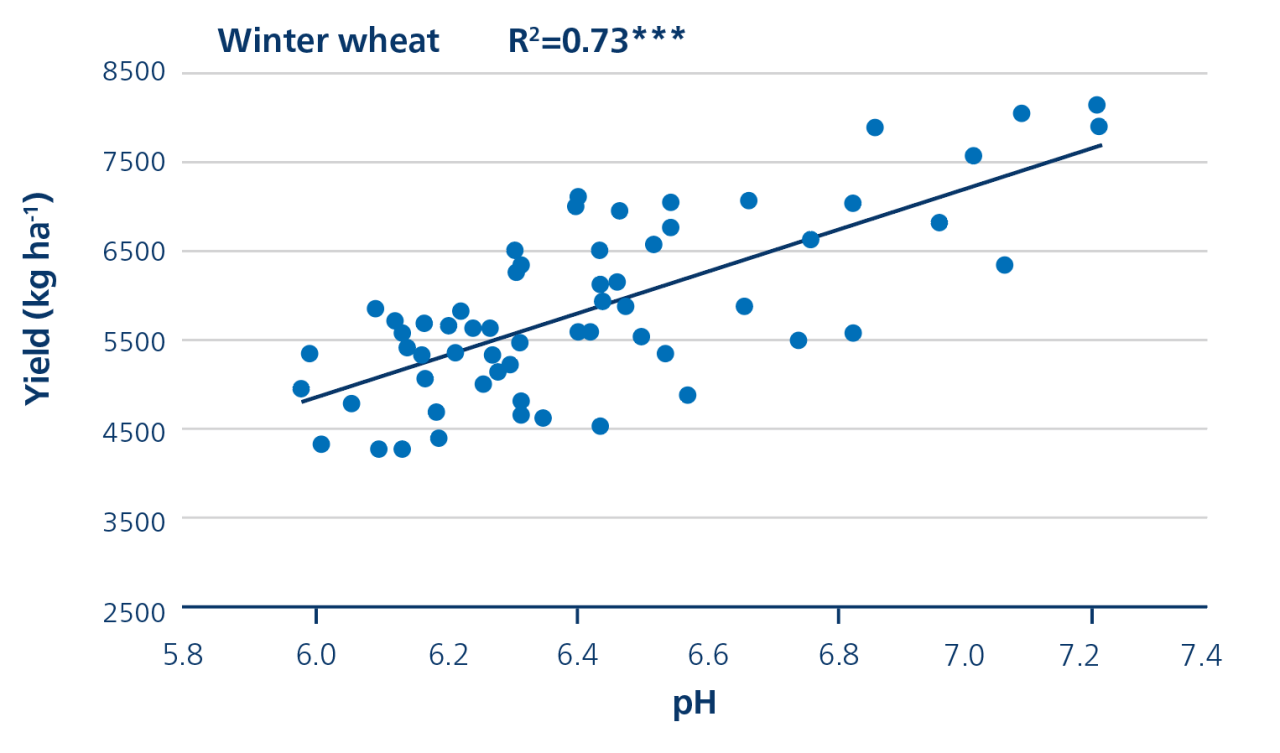
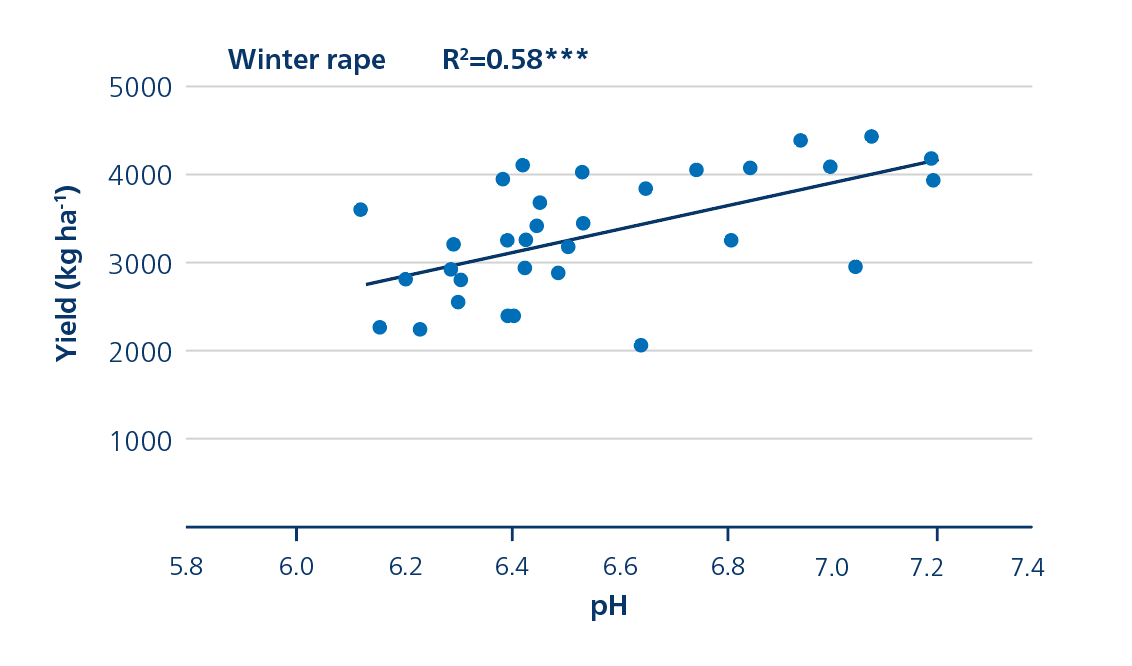
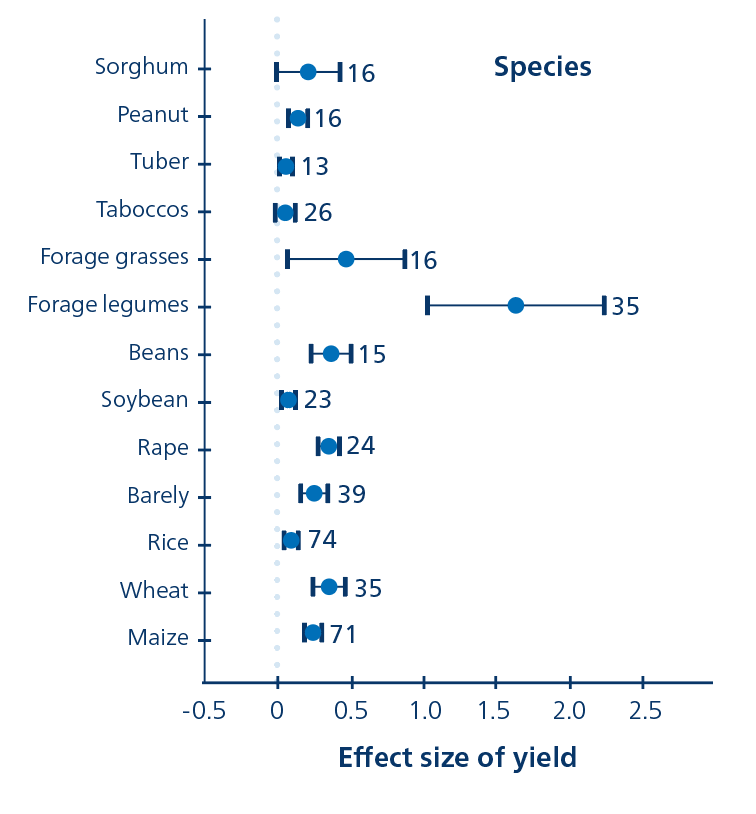
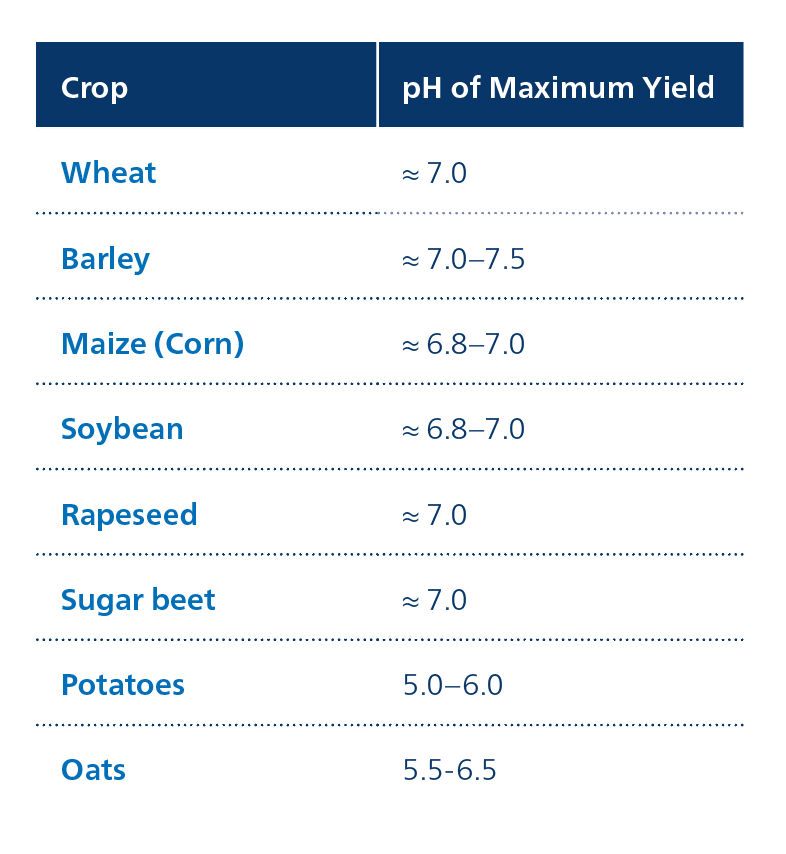
Extremely acidic soils clearly reduce crop growth, but yield responses often continue even within “acceptable” pH ranges. Many crops still benefit as pH moves from moderately acidic toward neutral, with improvements in nutrient availability, rooting depth, and reduced aluminium stress. In practice, a field testing at pH 6.2–6.4 may still fall short of its yield potential depending on crop type, soil texture, organic matter, and leaching pressure. Recent research shows that many traditional pH recommendations are outdated. Newer datasets indicate that yield gains often continue above pH 6.5, meaning soils once considered “acceptable” may no longer reflect today’s agronomic optimum.