

The rules of complexion product development have changed. What was once a straightforward task of coverage and finish has evolved into a demanding quest for multifunctional performance and consumer delight. Consumers still expect complexion products to conceal imperfections and improve skin appearance, but this is now only part of the story. Skin tints, glow filters and serum foundations have blurred the line between skincare and makeup. Products such as Bourjois' Healthy Mix Glow Tint Essence or One.Two.Free! Glow-Up Filter illustrate this shift, combining complexion benefits with hydration and a lightweight, comfortable feel (1). Formulators are also being asked to pack more functionality into a single product, from long-lasting wear and shine control to, in some cases, SPF protection (1, 2, 3). Each added benefit can create a new formulation constraint. UV filters may increase greasiness. Mattifying agents can affect comfort. Powders selected to improve coverage may make the texture feel heavier than intended (2, 3). Success in complexion products is no longer defined by coverage alone; the challenge is to enhance skin appearance while delivering the lightweight, comfortable sensory experience that keeps consumers coming back every day.
Why the powder phase matters
Many of the compromises described above come from the powder phase. In complexion formulations, powders influence far more than coverage: they also affect shine, light diffusion, spreadability and the way the product feels on the skin (5, 6, 8). Their behaviour also depends on more than the INCI name. Particle size, shape, porosity and surface properties all affect the way a powder interacts with the liquid phase, the skin and light (7, 8, 11). This is why building the powder phase from several single-function ingredients does not always give the expected result. One material may solve one part of the brief while creating a new issue elsewhere. The real formulation challenge is therefore not simply to add more powders, but to find materials that can contribute to several performance areas at once.
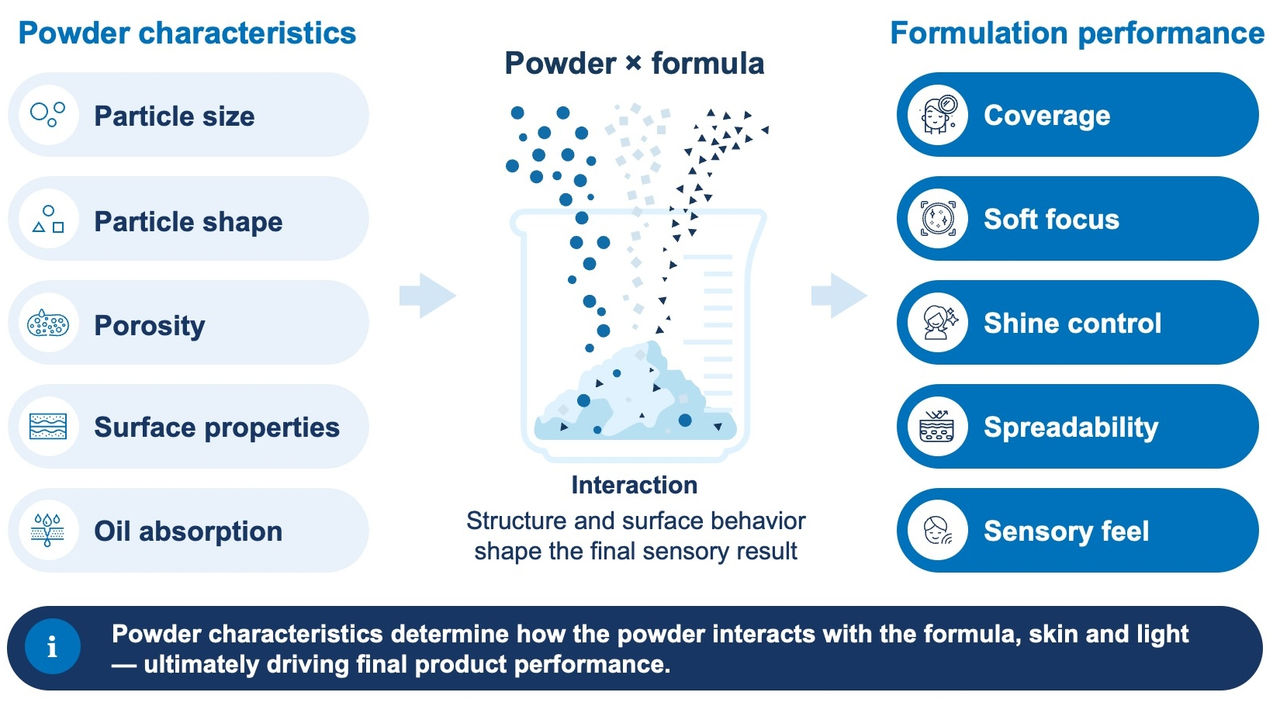 Figure 1. The influence of powder properties on formula performance
A different approach to mineral design
Omyaskin 100-OG takes a different approach to this challenge by focusing on the structure of the mineral itself. Through Omya’s patented functionalization process, calcium carbonate is partially recrystallized into hydroxyapatite, creating a porous mineral structure with properties that differ from those of the starting material (10). These structural changes are not only visible under the microscope. By modifying the mineral’s porosity and surface characteristics, the functionalization process also changes how the powder interacts with oil, light and the surrounding formulation (7, 10). But what does this mean in a finished product? To find out, Omyaskin 100-OG was evaluated from three different perspectives: its immediate effect on skin appearance, its contribution to shine and sebum management, and its sensory profile during and after application (10).
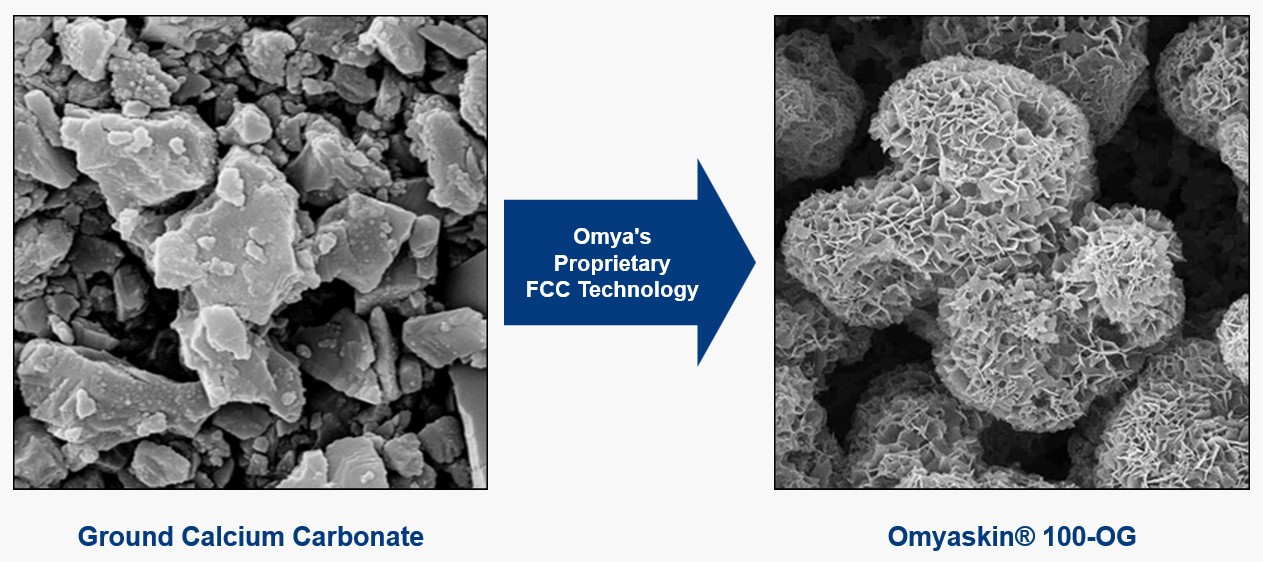 Figure 2. From Ground Calcium carbonate to Omyaskin 100-OG
First impression: Does Omyaskin improve skin appearance?
The first question is simple: does it make the complexion look better? In an in-vivo foundation study, Omyaskin 100-OG reached an average coverage score of 2.6 out of 3, with all participants scoring above 2 (Figure 3). In other words, the effect was not only visible on average, but also consistent across the panel (10). Soft-focus performance was measured separately through in-vitro haze testing. Haze increased from 53% at 1% usage to 80% at 2.5%, before remaining almost unchanged at 5% addition (Figure 3). This strong response at 2.5% is relevant for formulators, as lower use levels compared with some synthetic blurring powders may help limit the impact on texture and skin feel (7, 10). Read together, the coverage and haze results show that Omyaskin 100-OG does not improve appearance through one single mechanism. It helps make colour irregularities less visible, while also softening the look of pores, fine lines and small texture imperfections through light diffusion.
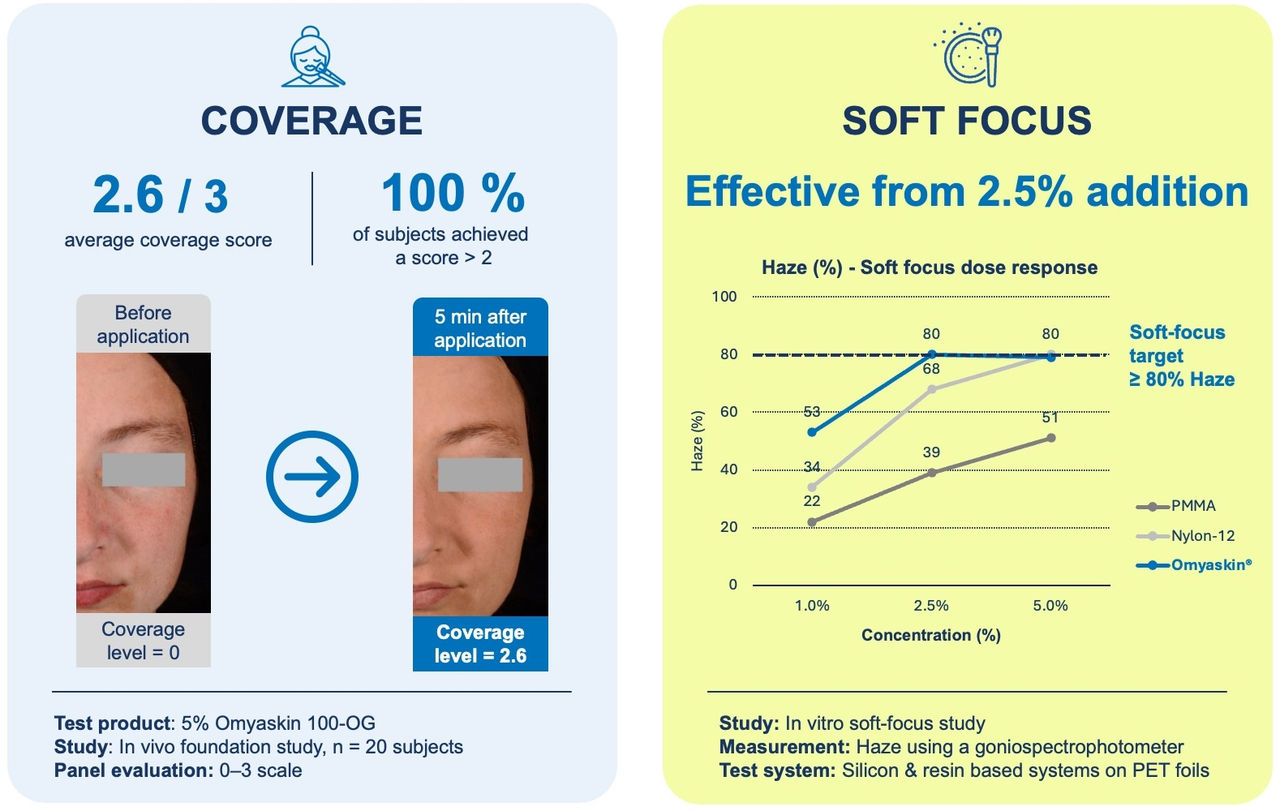 Figure 3. Coverage and soft-focus performance of Omyaskin 100-OG
Throughout the day: How does the finish evolve?
Of course, the way a product looks immediately after application is only part of the story. The finish can change once sebum begins to develop, and the way the formula feels is just as important. As the day progresses, sebum can build up and alter the appearance of a complexion product, making the skin look shinier and reducing the fresh, even finish achieved immediately after application. While this evolution occurs over the course of the day, managing the skin’s sebum level may help limit one of the factors contributing to unwanted shine. In a 28-day in vivo study, a cream containing 5% Omyaskin reduced visible skin gloss by 12%, with an improvement observed in 91% of participants (Figure 4). Under the same conditions, sebum levels decreased by 29%, with an improvement observed in 82% of participants (10) (Figure 4).
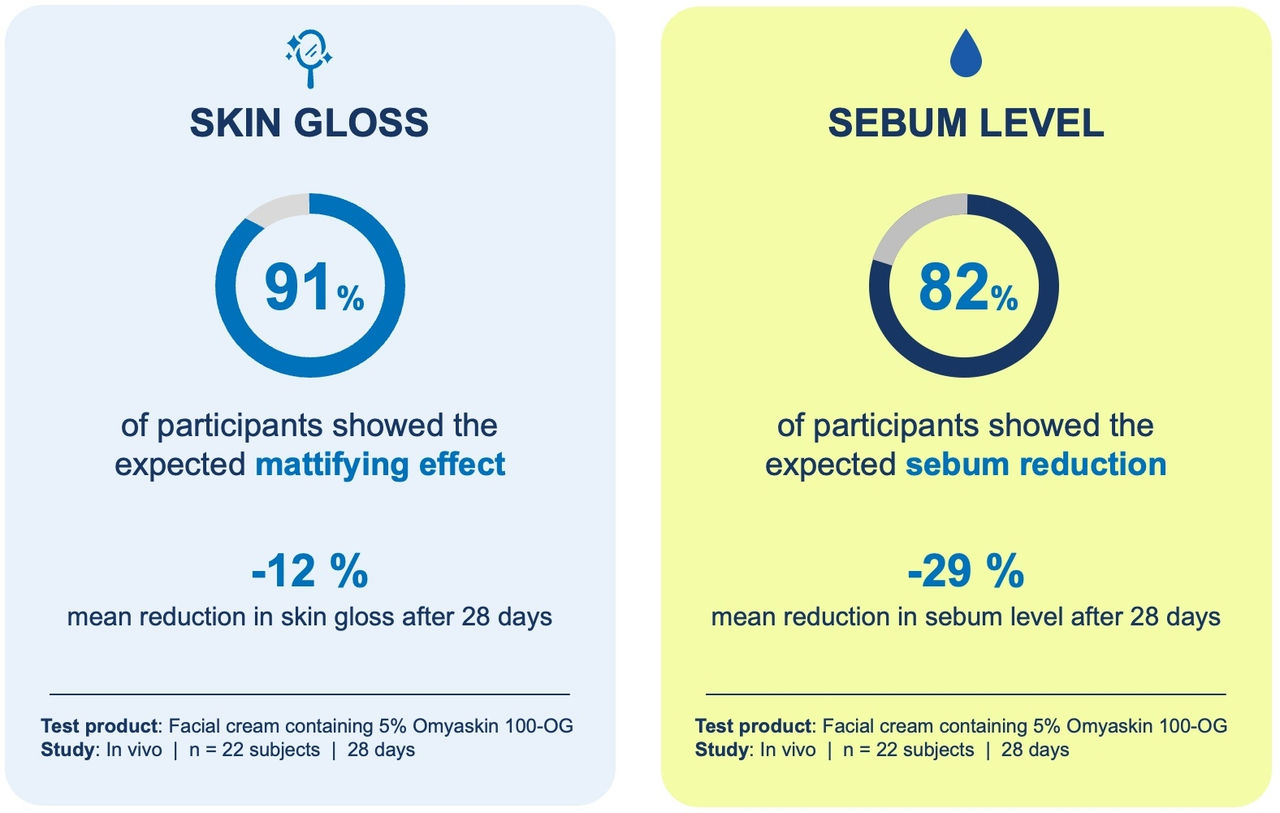 Figure 4. In-vivo effect of a cream containing 5% Omyaskin on visible skin gloss and sebum levels after 28 days of use
The study did not measure the wear of a complexion product throughout a single day. It does, however, show that Omyaskin can contribute to the management of two factors that influence how shiny the skin appears: skin gloss and excess sebum. For formulators, this opens another route to supporting the fresh, even-looking finish expected from modern complexion products.
On the skin: How does the formula feel?
A formula may improve the appearance of the skin and help manage shine, but it still needs to feel pleasant. To explore this aspect, a sensory evaluation was conducted to compare a foundation containing 5% Omyaskin 100-OG with both a placebo and a foundation containing 5% Nylon-12, used here as a benchmark powder for sensory performance (10).
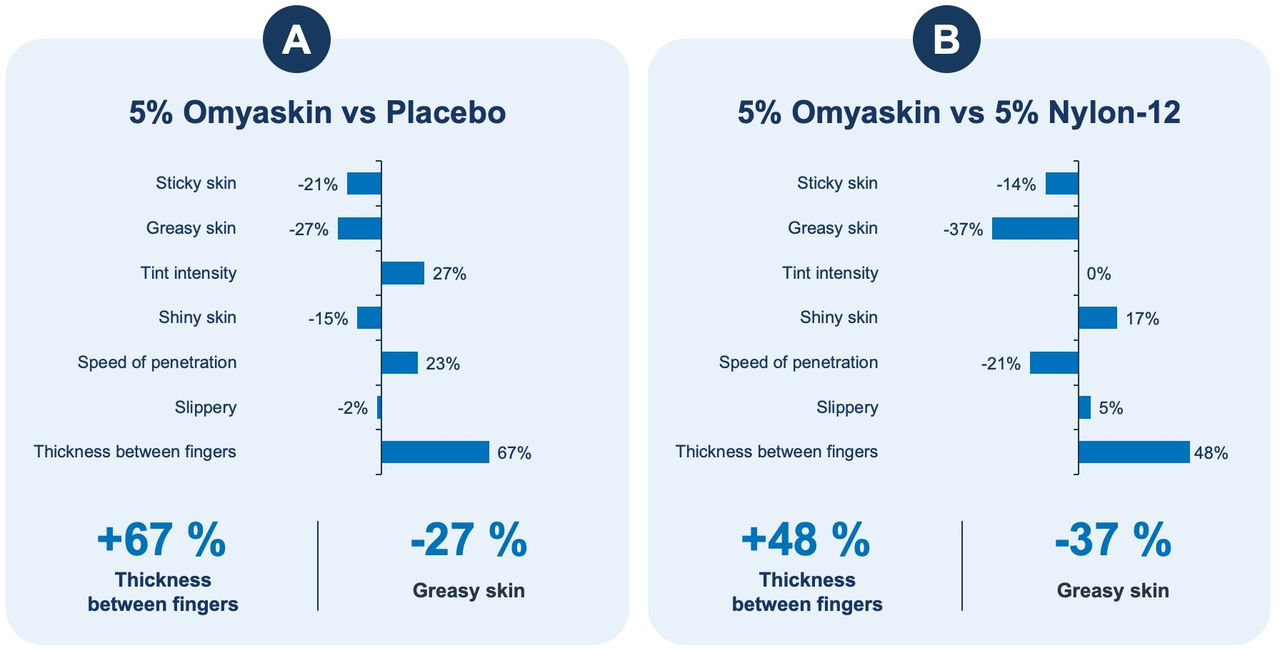 Figure 5. Relative differences in sensory scores for a foundation containing 5% Omyaskin 100-OG compared with the placebo (A) and a foundation containing 5% Nylon-12 (B)
Compared with the placebo, the foundation containing Omyaskin 100-OG was perceived as less greasy and less sticky, while giving the formula a fuller feel during application. This profile can be useful in formulas that already contain oilier components, such as UV filters or certain film-formers, where the challenge is to reduce greasiness and tackiness while keeping a comfortable, satisfying application feel (2, 3, 10). The comparison with Nylon-12 confirmed that the two powders create different sensory signatures. Nylon-12 gave a lighter, faster-absorbing impression, while Omyaskin 100-OG felt richer during application (10). One profile is not better than the other; the most relevant choice depends on whether the formula is designed to feel ultra-light and quick to absorb, or more cushioned and skincare-like on application. In this context, Omyaskin 100-OG may be particularly relevant for hybrid complexion products where formulators want to combine visual performance, shine management and a comfortable, less greasy skin feel.
Redefining performance in complexion products
A complexion product can perform well on paper and still miss the mark on skin. Coverage, soft focus and shine control all contribute to the visible result, but they only tell part of the story if the formula does not feel right during and after application (4, 8, 9). This is where Omyaskin 100-OG is interesting: in the tested formulations, it contributed to skin appearance, shine management and sensory performance at the same time, without forcing formulators to optimize these benefits separately (1). As complexion products continue to move closer to skincare, the challenge is no longer to maximize one benefit at a time. The most successful products will be those where appearance and skin feel work together, rather than compete with each other (1, 4).
References
1 Mintel. A Year of Innovation in Colour Cosmetics, 2026.
2 Mintel. A Year of Innovation in Suncare, 2026.
3 Mintel. Patent Insights: Advancements in Sunscreen.
4 Mintel. 2026 Global Beauty and Personal Care Predictions.
5 HORIBA. Particle Analysis for Cosmetics.
6 HORIBA. Particle Size Analysis of Cosmetics, Application Note AN161.
7 Yoon, J.; Lee, J.H.; Lee, J.B.; Lee, J.H. Highly Scattering Hierarchical Porous Polymer Microspheres with a High-Refractive Index Inorganic Surface for a Soft-Focus Effect. Polymers, 2020, 12(10), 2418.
8 Nonomura, Y.; Tsuchiya, U.; Taguchi, M.; Tsuchiya, R.; Goto, T. Characterization of Powder Cosmetics Based on Friction Dynamics. Journal of Oleo Science, 2022, 71(10), 1459–1467.
9 Tafuro, G.; Costantini, A.; Semenzato, A. Rheology, Texture Analysis and Tribology for Sensory Prediction and Sustainable Cosmetic Design. Cosmetics, 2026, 13(1), 25.
10 Omya internal data. Omyaskin® 100-OG coverage evaluation in a foundation formulation; in-vitro haze testing; 28-day in-vivo skin gloss and sebum evaluation; sensory evaluation versus placebo and Nylon-12.
11 Timm, K.; Myant, C.; Nuguid, H.; Spikes, H.A.; Grunze, M. Investigation of friction and perceived skin feel after application of suspensions of various cosmetic powders. International Journal of Cosmetic Science, 2012.